How Landscape Design Boosts Property Value: A Developer’s Guide to ROI

Landscape design has moved from a finishing touch to a strategic investment for developers seeking higher returns. As urban infill and suburban master-planned communities compete for buyers and tenants, the quality and thoughtfulness of outdoor spaces increasingly influence property valuations. This analysis examines the factors driving that shift, the trade-offs developers face, and what to watch as the market evolves.
Recent Trends
Over the past several development cycles, evidence has accumulated that well-planned landscapes can lift sale prices and rental rates by a measurable margin—often cited in industry discussions as ranging from 5% to 15%, depending on location, density, and target demographic. Several trends are reinforcing this:
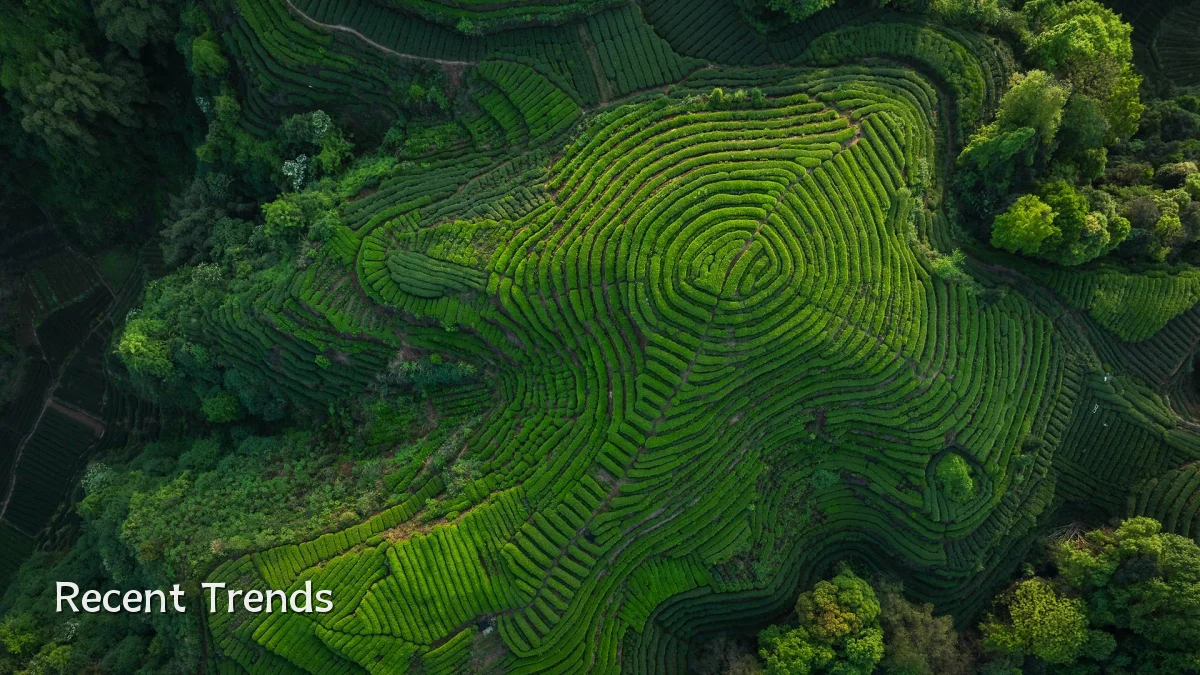
- Premium on usable outdoor space – Post-2020 buyer preferences have pushed for private or semi-private gardens, rooftop terraces, and landscaped courtyards, especially in warmer climates or multi-unit projects.
- Low-maintenance design expectations – Both homeowners and renters show willingness to pay more for landscapes that require minimal water, mowing, or upkeep, favoring xeriscaping and native planting.
- Integration with stormwater management – Developers increasingly use rain gardens, permeable paving, and bioswales as dual-purpose amenities that simultaneously reduce drainage costs and enhance curb appeal.
- “WOW factor” as a marketing lever – Entries, common areas, and model homes designed with layered plantings, lighting, and seating generate social-media buzz and faster absorption.
Background
The concept of landscape adding value is not new—real estate appraisers have long recognized that mature trees and attractive yards positively affect comparable sales. However, the developer’s perspective has historically treated landscaping as an expendable budget line, often deferred or reduced to cut upfront costs. That calculus is shifting for several reasons:

- Density and competition – In saturated markets, a distinctive landscape can differentiate a development from similar projects in the same price band, reducing time on market.
- Longer hold periods – Developers who build-to-rent or hold assets for multifamily income increasingly see landscaping as a factor in tenant retention and reduced turnover costs.
- Regulatory and sustainability pressure – Local codes in many jurisdictions now require or incentivize tree preservation, permeable surfaces, or green space ratios, turning design from optional to mandatory.
- Broker and appraiser awareness – Real estate professionals have become more systematic in attributing value to designed outdoor spaces, using adjusted comps that account for landscape quality.
User Concerns
Developers evaluating landscape investments consistently raise several practical questions. These concerns revolve around cost, payback, and risk:
- Upfront cost vs. expected premium – Landscape budgets can range from roughly 2% to 10% of total project cost; the higher end often yields returns only if the target buyer profile values outdoor amenities.
- Maintenance liabilities – For condominium associations or rental operators, ongoing maintenance costs must be projected and communicated. Overly complex designs can erode net operating income if they require frequent replanting or irrigation repairs.
- Phasing and timing – In master-planned communities, early phases need mature-looking landscapes to set the tone, but temporary measures may be needed while trees and turf establish.
- Local climate and microclimate – Designs that work in one region (e.g., tropical plantings in Florida) may fail in another (high desert or cold winter zones), leading to higher replacement costs and disappointed residents.
- Risk of over-improvement – A landscape that exceeds neighborhood norms can price a project above market comps, slowing sales; the optimal design is one that matches or slightly exceeds the median in the immediate area.
Likely Impact
If recent trends hold, landscape design will continue to be a differentiating factor for developers who treat it as an integrated investment rather than an afterthought. Several likely outcomes are discernible:
- Higher threshold for “basic” landscaping – Minimum expectations will rise, meaning projects that skimp on design may suffer a relative penalty through longer marketing times or lower final prices.
- Standardization of ROI metrics – Larger developers and institutional investors may begin to track landscape cost versus property premium using internal benchmarking, similar to how they model amenity spaces such as gyms or pools.
- Increased use of landscape architects earlier in design – Rather than dropping site plans into a civil engineer’s layout, more firms will involve LAs during master planning to maximize view corridors, tree preservation, and pedestrian flow.
- Blurring of public and private space – Developers of for-rent multi-family may incorporate pocket parks, community gardens, and walking paths that function as shared amenities, directly influencing lease-up velocity and rent growth.
What to Watch Next
Several developments could alter the risk-reward profile for landscape investment in the coming years:
- Water availability and cost trends – In drought-prone regions, the relative advantage of low-water design may widen, while municipalities might impose stricter irrigation restrictions that affect plant selection.
- Insurance and liability shifts – If extreme weather events become more frequent, insurers may adjust premiums for projects with overhanging limbs, ponds, or hardscape features that increase slip/fall risk.
- Technology in landscape monitoring – Smart irrigation controllers, sensor-based soil moisture systems, and drone-assisted inspections could lower maintenance costs and make more ambitious designs financially viable.
- Regulatory adoption of “green factor” scoring – Some cities already use such systems to rate developments; broader adoption could tie landscape quality directly to permitted density or zoning bonuses, altering the developer’s calculus.
- Shifts in homebuyer demographics – As younger buyers prioritize experiences and outdoor living, the value placed on decks, patios, and enclosed gardens may increase further, while demand for traditional lawns may diminish.