How Community Landscape Design Fosters Social Connection and Belonging
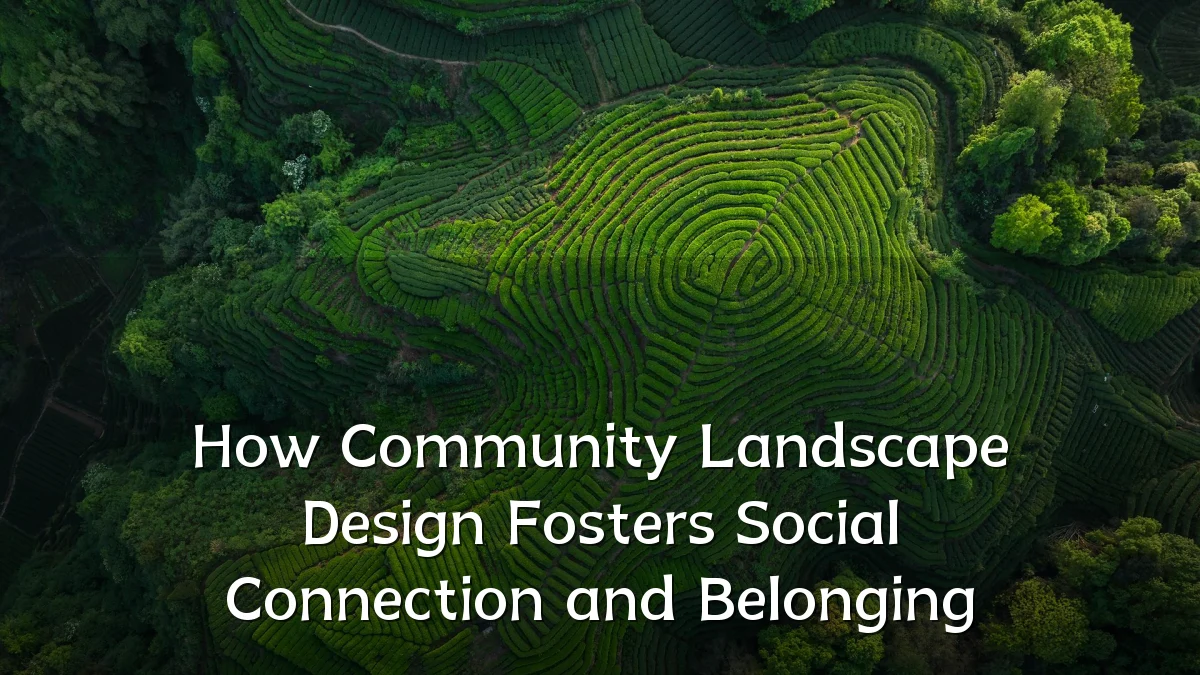
Across neighborhoods and cities, a growing body of planning practice and academic research points to the role of shared outdoor spaces in strengthening social ties. Community landscape design—the intentional shaping of parks, plazas, gardens, and streetscapes—is increasingly viewed not merely as an aesthetic improvement but as a critical social infrastructure. This analysis examines recent developments, background factors, user concerns, probable outcomes, and future areas to watch.
Recent Trends in Community Landscape Design
In recent years, several trends have accelerated the integration of social goals into landscape projects:
- Placemaking initiatives that involve residents in the design process, from initial ideation to construction and stewardship.
- Biophilic design principles that incorporate natural elements—such as native plants, water features, and varied microclimates—to create inviting, restorative settings that draw people outdoors.
- Temporary and tactical urbanism projects (e.g., pop-up parks, parklets, painted intersections) that test low-cost, low-commitment interventions and build momentum for permanent improvements.
- Multifunctional spaces that accommodate diverse activities—seating, play, performance, markets, gardening—allowing different age groups and interests to coexist.
- Equity-focused planning that prioritizes under-resourced neighborhoods where a lack of well-designed public space has historically limited social interaction.
Background: From Ornamentation to Social Infrastructure
Historically, landscape architecture in many communities focused on ornamental plantings, monument settings, or passive lawns. Over the past two decades, a shift has occurred toward understanding landscapes as “social catalysts.” Research from environmental psychology and urban sociology has shown that the physical arrangement of a space—where benches face, how paths connect, the presence of shaded gathering nodes—can significantly influence how often people meet, talk, and form bonds.
This understanding draws on the concept of “third places”—informal public gathering spots that supplement home and work. Community gardens, in particular, have been studied for their ability to foster trust and cooperation among diverse residents. Similarly, well-designed pedestrian corridors and shared courts have been linked to increased neighborly interaction and a greater sense of collective ownership.
User Concerns and Practical Considerations
Professionals and community members alike raise several recurring concerns when planning for social connection through landscape design:
- Safety and perceived security – If a space feels unsafe (due to poor visibility, isolation, or maintenance neglect), people will avoid it, defeating its social purpose. Designs must balance openness with defensible space.
- Inclusivity and accessibility – Seating, pathways, signage, and programming must accommodate a range of physical abilities, ages, cultural preferences, and income levels to avoid unintentional exclusion.
- Maintenance and stewardship – Without ongoing care—whether by municipal crews or volunteer groups—spaces can degrade, reducing their appeal and social use.
- Balancing programmatic flexibility vs. fixed uses – Highly programmed spaces may feel inflexible, while overly open designs can lack the seating, shade, or amenities that encourage lingering.
- Gentrification pressure – New public spaces in lower-income neighborhoods sometimes coincide with rising property values that displace long-term residents, undermining the very belonging the design aims to foster.
Likely Impact on Social Connection and Belonging
When responsive to local context and user needs, community landscape design can produce several measurable outcomes:
- Increased frequency of informal encounters – Design features such as clustered seating, small gathering terraces, and shared garden plots boost the likelihood of unplanned conversations among neighbors.
- Strengthened social networks – Regular users of a well-designed public space are more likely to recognize and support one another, forming a foundation for neighborhood mutual aid.
- Enhanced sense of pride and attachment – Spaces that reflect community identity (through art, native plants, or cultural references) can deepen residents’ emotional connection to place.
- Improved mental health and well-being – Access to green, social environments has been associated with reduced stress, loneliness, and depression, particularly for older adults and young families.
- Greater civic engagement – Participation in landscape design and stewardship often spills over into other forms of community organizing, such as local safety initiatives or advocacy for additional amenities.
What to Watch Next
Several developments are likely to shape the future of community landscape design and its capacity to foster belonging:
- Integration with housing policy – As cities face housing shortages, new developments and infill projects are under pressure to include publicly accessible, socially oriented open space as a matter of policy, not afterthought.
- Funding models for long-term stewardship – Paying for ongoing maintenance remains a weak point. New models—such as community land trusts, improvement districts, or hybrid public-private partnerships—may emerge to ensure sustained quality.
- Data-driven design evaluation – More municipalities are using observational tools, surveys, and digital analytics to assess how spaces are actually used, enabling iterative refinements that improve social outcomes.
- Climate resilience as a social driver – Green infrastructure (rain gardens, shade corridors, cool plazas) designed for stormwater management or heat mitigation is also likely to create new gathering spots—blending ecological and social functions.
- Equity audits – Advocacy groups are demanding that investment in public space be distributed proportional to need, which could shift resources toward historically underserved neighborhoods.